

Stage 6: Find Your Strategy
Discover what kind of trader you are and which strategies fit how you think.
Latest Articles from Stage 6: Find Your Strategy

Breakout Trading Part 1: What Is Breakout Trading?
Breakout trading is exactly what it sounds like: trading the moment when price moves through a significant level with momentum. It's one of the most intuitive strategies available and one of the most commonly misapplied. Here's what it is at its clearest.
Date Published:
Read Time:
5
minutes
Breakout Trading Part 2: How it Works
Breakout trading is the practice of entering a position the moment price moves beyond a defined level of support or resistance. It sounds simple, and it is, in structure. The challenge is that most breakouts are false.
Date Published:
Read Time:
7
minutes
Breakout Trading Part 3: Why It's Popular
Breakout trading attracts beginners for obvious reasons and retains experienced traders for less obvious ones. Understanding both sides of the appeal helps you evaluate whether the approach is right for where you are in your development.
Date Published:
Read Time:
5
minutes
Breakout Trading Part 4: Legitimate Learning Resources
Breakout trading resources are abundant and generally high quality — partly because the approach is old enough to have accumulated genuine practitioner wisdom, and partly because the mechanical nature of breakouts makes them highly teachable.
Date Published:
Read Time:
8
minutes
Breakout Trading Part 5: Backtesting and Metrics
Date Published:
Read Time:
5
minutes
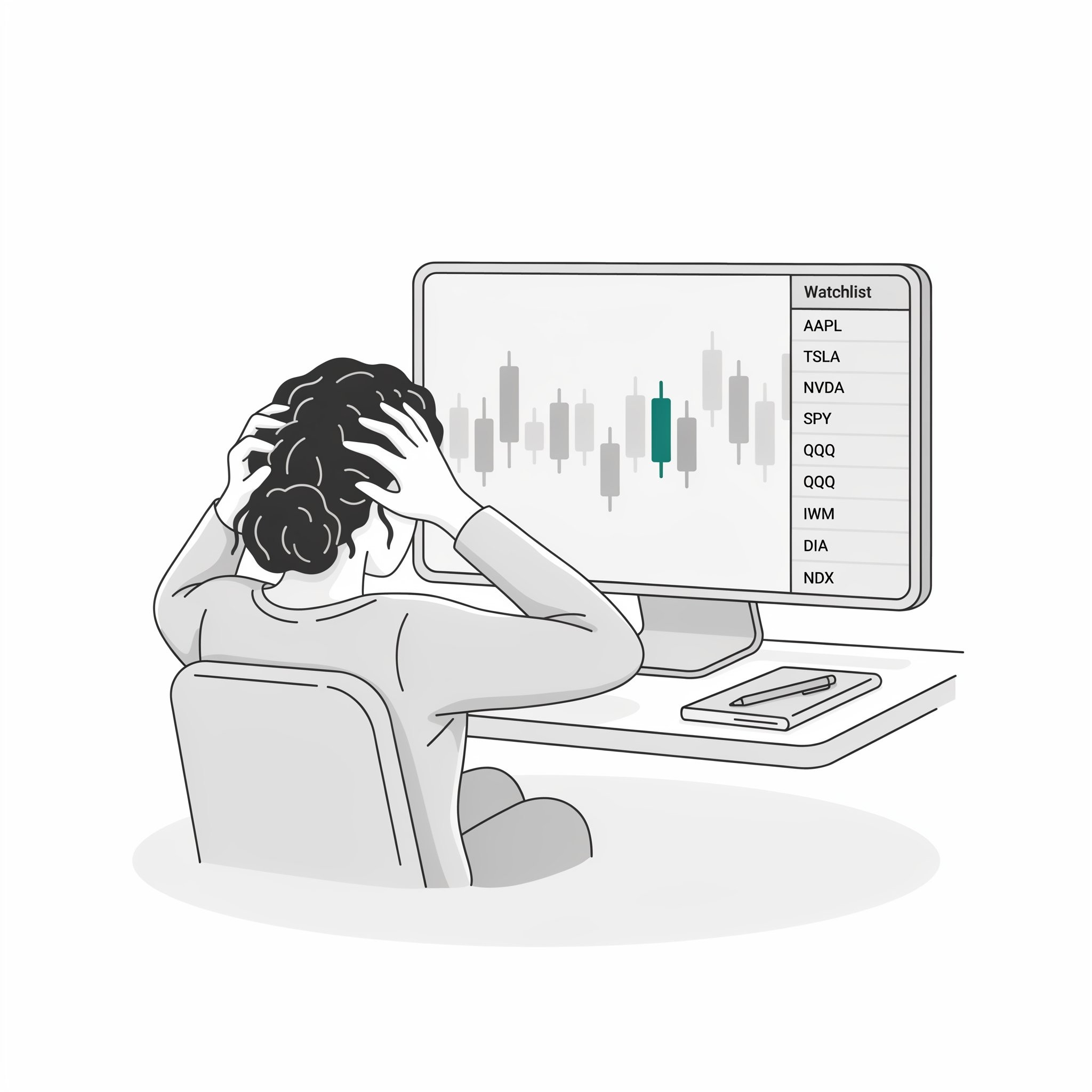
Building Your FX Watchlist
A watchlist is not just a list of markets to watch. It's a decision about where to concentrate your attention and build expertise. Watching too many instruments spreads attention thin; watching too few limits opportunity. The process of building a focused, deliberate watchlist is part of building a trading approach that's actually sustainable.
Date Published:
Read Time:
5
minutes

The Strategy Fit Audit: Which Approach Matches How You Think?
Most traders pick a strategy based on what they've seen on YouTube. This audit helps you choose one based on something more reliable: how your brain actually works.
Date Published:
Read Time:
5
minutes

What Even Counts as a Trading Strategy?
Before exploring individual strategies, it's worth asking a more fundamental question: what actually counts as a trading strategy? The answer shapes everything.
Date Published:
Read Time:
5
minutes

Why Strategy Fit Matters More Than Strategy Performance
Why matching a strategy to your cognitive style matters more than finding the 'best' one.
Date Published:
Read Time:
5
minutes

How This Series Is Organized (And How to Use It)
A map of the 16 trading strategies covered in this series, organized by level and cognitive demand.
Date Published:
Read Time:
5
minutes
Read My Stories

Your first week in a trading platform is genuinely disorienting. Prices move in ways that don't match what you read. Decisions that seem obvious in hindsight aren't obvious in real time. This is completely normal . Here's what to actually expect, so you can make the most of the learning curve rather than fighting it.
Updated on Jul 8, 2026

An inside bar is a two-candle pattern where the second candle's high and low are both contained within the range of the first candle. The first candle (the "mother bar") engulfs the second. This containment signals a pause, indicating he market has compressed into a tighter range after a directional move. Inside bars are used as entry triggers and as precursors to breakout moves.
Updated on Jul 7, 2026

The internet delivers confident trading knowledge at industrial scale. Most of it is untested, some of it actively harmful. Developing the ability to evaluate what you're being taught, and what you think you've learned, is one of the most useful meta-skills in trading.
Updated on Jul 4, 2026