

Stage 6: Find Your Strategy
Discover what kind of trader you are and which strategies fit how you think.
Latest Articles from Stage 6: Find Your Strategy
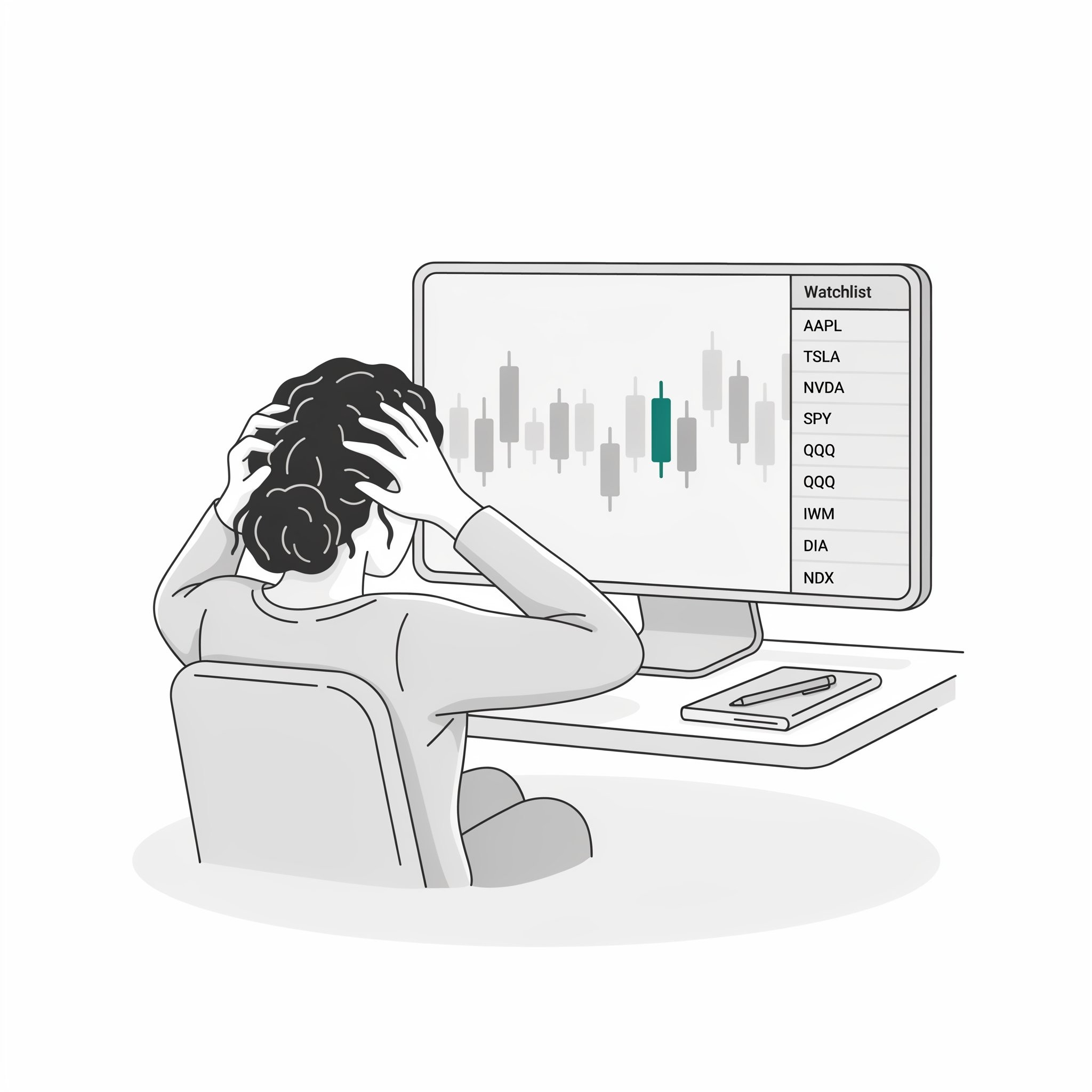
Building Your FX Watchlist
A watchlist is not just a list of markets to watch. It's a decision about where to concentrate your attention and build expertise. Watching too many instruments spreads attention thin; watching too few limits opportunity. The process of building a focused, deliberate watchlist is part of building a trading approach that's actually sustainable.
Date Published:
Read Time:
5
minutes

Breakout Trading Part 1: What Is Breakout Trading?
Breakout trading is exactly what it sounds like: trading the moment when price moves through a significant level with momentum. It's one of the most intuitive strategies available and one of the most commonly misapplied. Here's what it is at its clearest.
Date Published:
Read Time:
5
minutes
Breakout Trading Part 3: Why It's Popular
Breakout trading attracts beginners for obvious reasons and retains experienced traders for less obvious ones. Understanding both sides of the appeal helps you evaluate whether the approach is right for where you are in your development.
Date Published:
Read Time:
5
minutes
Breakout Trading Part 4: Legitimate Learning Resources
Breakout trading resources are abundant and generally high quality — partly because the approach is old enough to have accumulated genuine practitioner wisdom, and partly because the mechanical nature of breakouts makes them highly teachable.
Date Published:
Read Time:
8
minutes
Breakout Trading Part 5: Backtesting and Metrics
Date Published:
Read Time:
5
minutes

The Strategy Fit Audit: Which Approach Matches How You Think?
Most traders pick a strategy based on what they've seen on YouTube. This audit helps you choose one based on something more reliable: how your brain actually works.
Date Published:
Read Time:
5
minutes

Support & Resistance Part 1: The Foundation Every Trader Builds On
Before indicators, patterns, or strategies — price needs somewhere to go and somewhere to stop. Here's how to see those places.
Date Published:
Read Time:
6
minutes
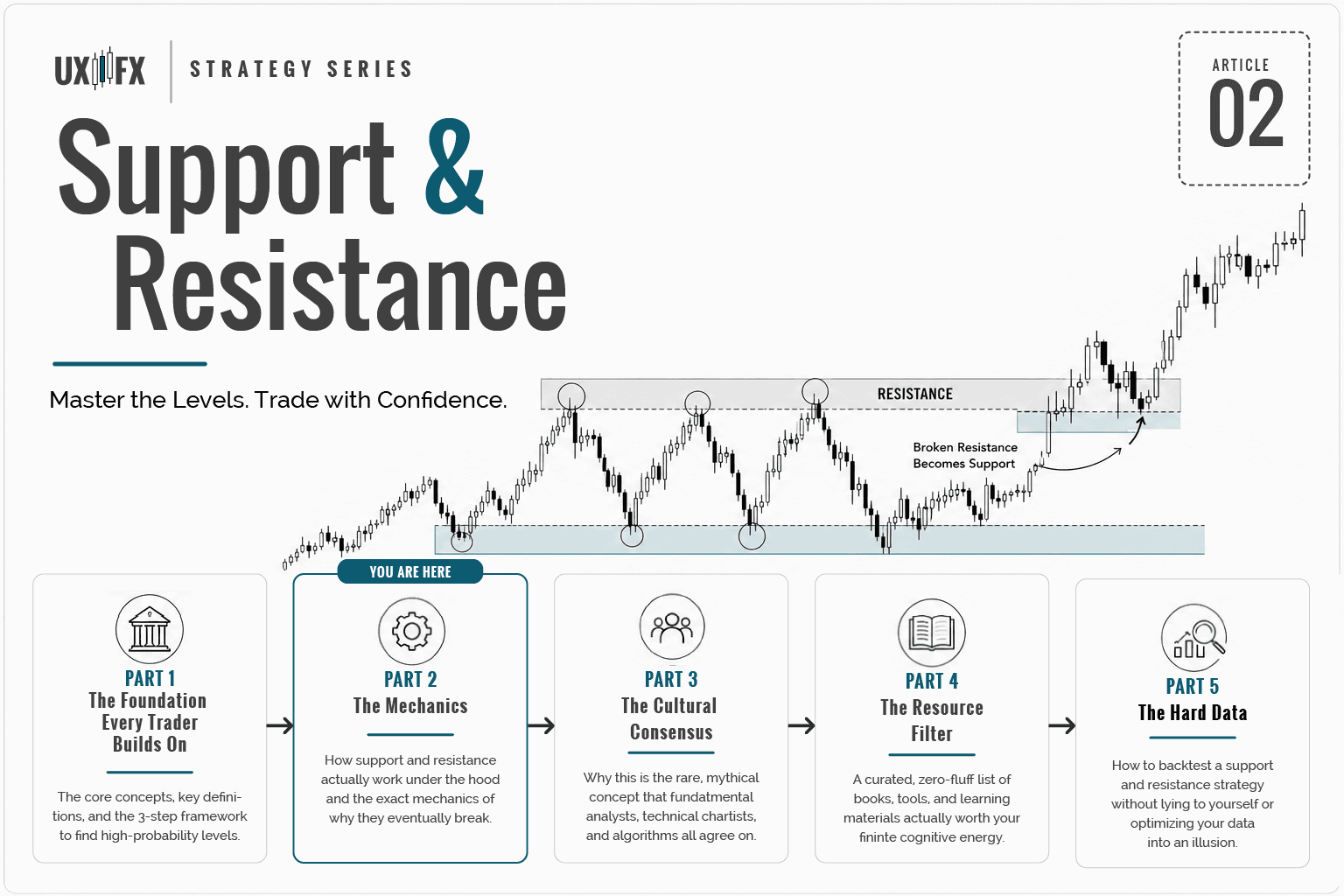
Support & Resistance Part 2: How Support and Resistance Actually Works (And Why It Breaks)
A support level isn't magic — it's the sum of decisions made by real traders at a specific price. Understanding the mechanics makes the levels much easier to trust.
Date Published:
Read Time:
9
minutes

Support & Resistance Part 3: The Most Agreed-Upon Idea in Trading
S&R is the rare concept that technical traders, fundamentalists, and institutions all reference — and understanding why that consensus exists tells you a lot about how markets actually work.
Date Published:
Read Time:
8
minutes

Support & Resistance Part 4: The Books, Tools, and Resources Worth Your Time
A curated list of what's actually useful for learning S&R — filtered for signal, not noise.
Date Published:
Read Time:
7
minutes
Read My Stories

With dozens of currency pairs available, beginners often trade too many at once – or choose pairs that don't match their schedule, strategy, or account size. Choosing the right pair is a form of strategic clarity most traders underestimate.
Updated on Aug 28, 2026

EUR/USD, GBP/USD, and USD/JPY are all major forex pairs, but the conditions around them can differ. Instead of memorizing a permanent "personality," learn to compare what you can observe now: volatility, session activity, spread and liquidity, event sensitivity, and directional persistence.
Updated on Aug 28, 2026

Excerpt: Before you can trade forex, you need to understand what you're actually looking at when you see "EUR/USD 1.0856." This isn't complicated, but getting it clear early prevents a surprising number of costly mistakes down the line.
Updated on Aug 28, 2026